Septic Inspections in Asheville, NC
Buying or selling a home? We inspect the tank, components, and drain field and give you a clear written picture.
Inspections in Asheville
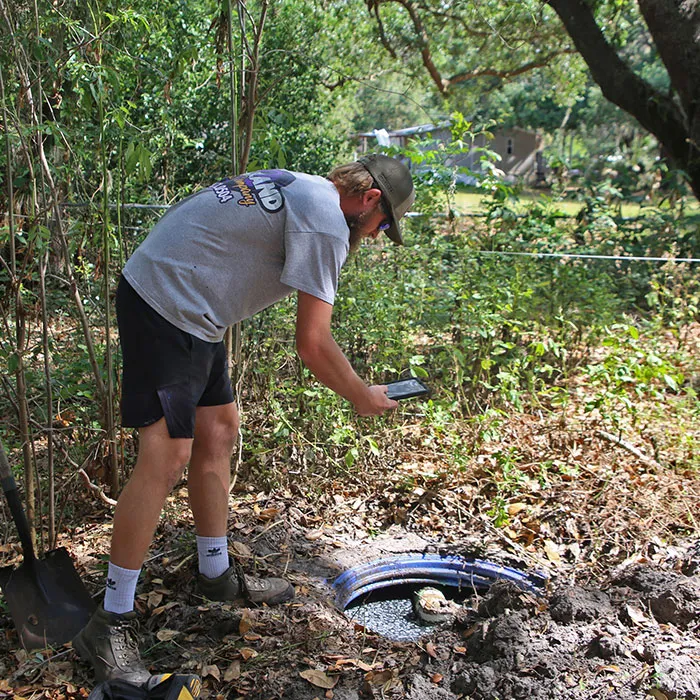
A septic inspection tells you the true condition of a system before it becomes your problem — which is exactly why they matter when a mountain home changes hands. We inspect residential septic systems across Western North Carolina for home buyers, sellers, and owners who just want to know where they stand. We locate and open the tank, pump it if needed to see the bottom, measure the sludge and scum levels, check the baffles, lid, and risers, inspect any pump and float controls, run water to see how the system handles flow, and evaluate the drain field for signs of failure like soggy ground or surfacing effluent. You get a clear rundown of what is good, what is aging, and what needs attention — the honest information you need to buy with confidence, sell without surprises, or budget for the work ahead.
Septic service in Asheville
Asheville sits in a bowl of mountains where the French Broad and Swannanoa rivers meet, and while downtown and the close-in neighborhoods are on city sewer, most of Buncombe County is not. The homes out in Leicester, Candler, Fairview, Swannanoa, and the coves above West Asheville run on septic tanks and drain fields, and so do a huge share of the cabins and vacation rentals that fill the ridges around town. That mix is what we work in every day. Mountain septic is its own challenge here: lots are steep, tanks get buried on a slope or behind a deck with no records, the soil is rocky and slow to drain, and the heavy rain that keeps these mountains green also saturates drain fields. Add the short-term rental boom — homes that go from empty to a full house every weekend — and tanks fill faster and less predictably than the old "every few years" rule assumes. We pump, clean, repair, and inspect residential systems all over the Asheville area. Tell us roughly where your tank is and what is going on, and we will give you a straight answer, a real price, and a crew that knows how to work a mountain lot without tearing up your yard.
- Full inspection for buyers, sellers, and owners
- Tank located, opened, and sludge/scum levels measured
- Baffles, lids, risers, and pump controls checked
- Flow tested by running water through the system
- Drain field walked for soggy ground and surfacing effluent
- Clear written summary of condition and any needed work
Need inspections elsewhere? See all of our Asheville services or inspections across Western North Carolina.
Inspections in Asheville
Tell us what’s happening and we’ll call you back — local Asheville service.
Areas We Cover in Asheville
In town or up a cove — if it’s in or around Asheville, we come to your property.
- West Asheville
- Leicester
- Candler
- Fairview
- Swannanoa
- East Asheville
Common Septic Issues in Asheville
The septic problems we see most around here — and how we handle them.
Vacation rentals that fill tanks fast
Asheville’s short-term rental market means a lot of homes go from empty to a packed house every weekend. That bursty, heavy use fills septic tanks faster than a normal household, so rentals need pumping more often than the standard interval — and an overlooked rental tank is a backup waiting to happen.
Steep coves and buried, unmarked tanks
Out in the coves above West Asheville and around Fairview and Leicester, tanks sit on slopes and get buried under years of dirt and landscaping with no records of where the lid is. We locate and dig to the tank as part of the job and can map it so the next service is quick.
Heavy rain saturating drain fields
The same mountain rainfall that keeps Buncombe County green also soaks drain fields, and a saturated field cannot absorb much more. Pairing on-schedule pumping with runoff kept off the field is the best protection against soggy spots and backups here.
Inspections in Asheville — FAQs
Do you cover all of the Asheville area?
I run a short-term rental in Asheville — how often should I pump?
My tank is somewhere on a steep cove lot — can you still reach it?
Do I need a septic inspection when buying a home?
Will you pump the tank during the inspection?
How long does an inspection take and what do I get?
Also Serving Near Asheville
Need Inspections in Asheville?
Call now for a fast quote — we come to your property, and backups and emergencies get priority.