Septic Tank Pumping in Sylva, NC
Routine pumping keeps your system healthy. We locate, dig, and pump your tank — most homes done in one visit.
Tank Pumping in Sylva
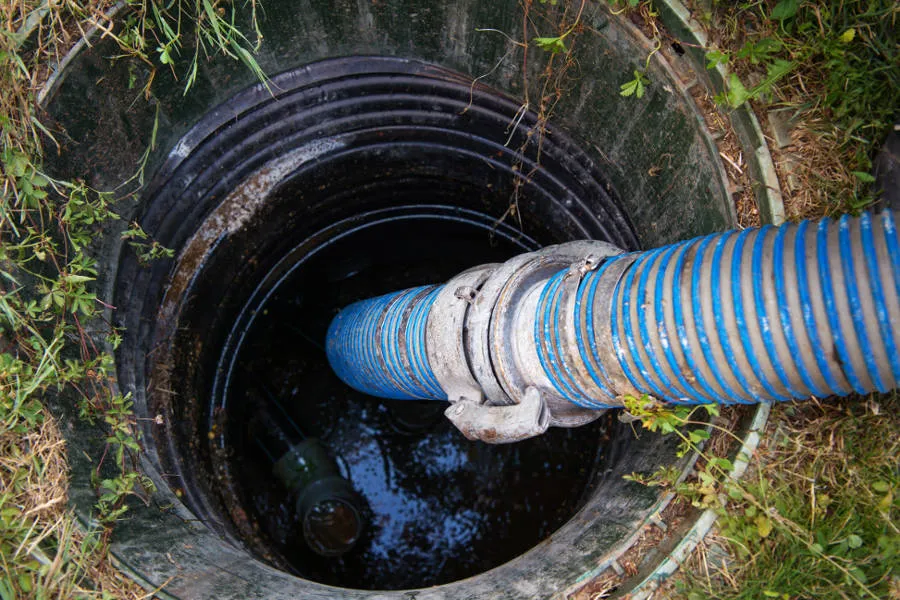
Pumping is the single most important thing you can do for a septic system, and it is what we do most. Over time, solids settle to the bottom of the tank and grease and scum float to the top; pumping removes both before they can wash out into the drain field and clog it. We pump residential septic tanks anywhere in Western North Carolina — we locate and dig to the lid, pump the tank down completely, check the baffles and the tank condition while it is open, and tell you straight what we see. Most homes need pumping every three to five years, but mountain properties with full-time rentals, big families, or older small tanks often need it sooner. The cheapest repair in septic is the pump you do on time; the most expensive is the drain field you replace because you waited too long.
Septic service in Sylva
Sylva is the seat of Jackson County, a mountain town along the Tuckasegee River west of Waynesville, with Western Carolina University just up the road in Cullowhee and Dillsboro next door. It is a mix of a walkable downtown, a university community, and a lot of rural mountain country, and outside the town core nearly everything runs on septic — the homes up the coves, the rental cabins toward Cashiers and Cherokee, and the student and family rentals around Cullowhee. We pump, clean, repair, and inspect residential systems throughout the Sylva and Jackson County area. The local mix brings its own pattern: rentals with heavy, bursty occupancy that fills tanks fast, steep lots that use pump systems to reach a drain field, and older homes on long-held land with undersized tanks and no records. We know the Tuckasegee valley and the Cullowhee area, how grade and our heavy rain stress a Jackson County field, and how to find and service a tank on a mountain lot. Tell us where your tank is and what it is doing, and we will give you an honest answer and a price you can count on.
- Complete tank pump-out — solids, scum, and liquid
- Tank located and dug to the lid, even with no records
- Baffles and tank condition checked while the lid is off
- Realistic pumping schedule based on your tank and household
- Most homes pumped in a single visit
- Location noted so the next pump is fast
Need tank pumping elsewhere? See all of our Sylva services or tank pumping across Western North Carolina.
Tank Pumping in Sylva
Tell us what’s happening and we’ll call you back — local Sylva service.
Areas We Cover in Sylva
In town or up a cove — if it’s in or around Sylva, we come to your property.
- Cullowhee
- Dillsboro
- Webster
- Tuckasegee
- Scotts Creek
Common Septic Issues in Sylva
The septic problems we see most around here — and how we handle them.
Rentals and student housing that fill tanks fast
Around Sylva and Cullowhee, rental cabins and student housing see heavy, bursty occupancy that fills septic tanks faster than a normal household. Those systems need more frequent pumping, and an overlooked rental tank is a backup waiting to happen during a full house.
Steep lots and pump systems
Many homes in the Tuckasegee valley sit below the only good spot for a drain field, so the system uses a pump to lift effluent uphill. Those pumps and floats wear out, and when one fails the system backs up — we test and replace them so you get an alarm before a mess.
Older homes on long-held land
Jackson County has plenty of long-owned mountain homes with decades-old, undersized tanks and no service records. Regular pumping and an honest look at the tank keep these older systems from washing solids into the drain field.
Tank Pumping in Sylva — FAQs
Do you cover Sylva, Cullowhee, and Jackson County?
I rent out a cabin near Sylva — how often should I pump?
My home has a septic pump — what should I watch for?
How do I know it is time to pump?
What happens if I never pump my tank?
Do I need to find my tank before you come?
Should I add a riser so the lid is easier to reach?
Also Serving Near Sylva
Need Tank Pumping in Sylva?
Call now for a fast quote — we come to your property, and backups and emergencies get priority.